Seismic Shifts: The Global Implications of Taiwan's Earthquake
हिंदी में सुनें
Listen to this article in Hindi
Taiwan's recent earthquake raises concerns about regional stability and global supply chains, particularly in the semiconductor industry.
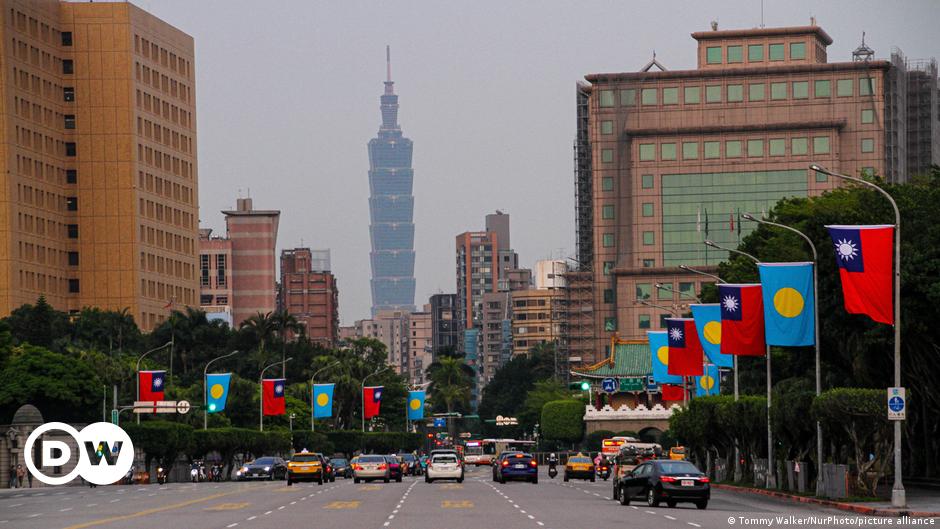
The recent 7.0-magnitude earthquake off Taiwan's northeastern coast underscores the island's vulnerability to natural disasters and has significant implications for global supply chains, particularly in the semiconductor sector. Taiwan stands as a crucial player in the international technology landscape, accounting for a substantial share of the world's semiconductor production. This earthquake serves as a reminder of the potential disruptions that could arise from such natural events, emphasizing the need for resilience in global supply chains.
Taiwan's geographic location along the Pacific Ring of Fire makes it particularly susceptible to seismic activity. The island has experienced several devastating earthquakes in the past, prompting both governmental and private sectors to implement stringent emergency preparedness protocols. Despite the immediate response to the quake, including the evacuation of facilities belonging to major chipmaker TSMC, the incident raises questions about the robustness of Taiwan’s infrastructure and its ability to withstand future seismic events. This is increasingly pertinent given the heightened global reliance on Taiwanese semiconductors.
In the context of global technology supply chains, Taiwan's significance cannot be overstated. The island is home to TSMC, the world’s leading contract chip manufacturer, which produces advanced semiconductors that are integral to everything from smartphones to electric vehicles. Any disruption, whether due to natural disasters or geopolitical tensions, has the potential to ripple through global markets, affecting technology prices and production timelines across various industries. The implications of this earthquake extend beyond immediate damage assessments; they highlight the interconnectedness of Taiwan’s stability with global economic health.
The lack of immediate reports of major damage following the earthquake has alleviated some concerns, but the situation remains precarious. The potential for aftershocks poses a continuous risk, and the response to such natural disasters can shape perceptions of Taiwan's resilience and reliability as a key supplier in the semiconductor market. Investors and global stakeholders will closely monitor Taiwan's recovery and response strategies to gauge future risks associated with manufacturing disruptions.
Geopolitically, Taiwan’s strategic importance is compounded by its complex relationship with China. As Taiwan continues to assert its sovereignty, its vulnerability to natural disasters like earthquakes adds another layer of complexity to regional dynamics. Any significant disruption to Taiwan's semiconductor production could provoke a recalibration of strategies among nations reliant on these critical components, leading to a re-evaluation of supply chain dependencies.
Moreover, the international community's response to Taiwan's natural disasters can reflect broader geopolitical alignments and tensions. While the earthquake itself is a natural phenomenon, the implications of Taiwan’s stability are deeply intertwined with global power structures, particularly in the context of U.S.-China relations. The ongoing strategic rivalry may influence how nations engage with Taiwan in the wake of such events, impacting diplomatic and economic relations.
So where does that leave things? while the recent earthquake has not led to immediate catastrophic consequences, it serves as a reminder of the fragility of Taiwan's position in the global economy and the potential risks associated with its geographic and geopolitical realities. Stakeholders across various sectors must remain vigilant, assessing their dependencies on Taiwanese manufacturing and preparing for the unforeseen disruptions that may arise from both natural disasters and geopolitical tensions. The incident reinforces the need for enhanced resilience in global supply chains, particularly in critical industries that are susceptible to external shocks, whether they be environmental or political.
Editor’s note: This article was independently written by the Scoopliner Editorial Team using publicly available information.