The Resurgence of Measles: Examining the Factors Behind Declining Herd Immunity
हिंदी में सुनें
Listen to this article in Hindi
A look at the factors contributing to increasing measles cases, focusing on vaccination coverage, herd immunity thresholds, and the role of public health infrastructure.
The United States, once declared free of endemic measles in 2000, is experiencing a concerning resurgence of the disease. While localized outbreaks garner immediate attention, a broader analysis reveals a complex interplay of factors contributing to this public health challenge. Understanding these elements is crucial for developing effective strategies to mitigate future outbreaks and protect vulnerable populations.
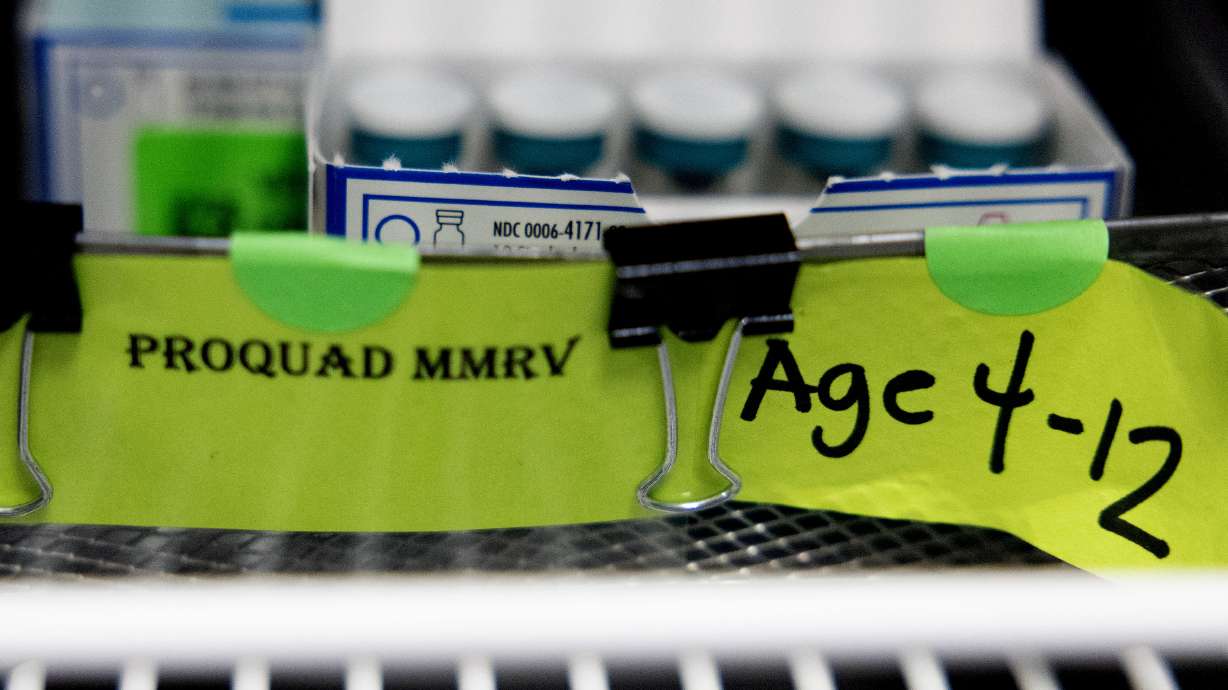
Measles is a highly contagious respiratory illness caused by a virus. Its ability to spread rapidly through airborne transmission makes it particularly challenging to control. Before widespread vaccination, measles was a common childhood disease, often leading to serious complications, including pneumonia, encephalitis (brain inflammation), and even death. The introduction of the measles vaccine dramatically reduced the incidence of the disease, leading to its elimination in the U.S. over two decades ago.
The concept of herd immunity is central to understanding measles prevention. Herd immunity occurs when a sufficiently high percentage of a population is immune to a disease, either through vaccination or prior infection. This immunity protects individuals who cannot be vaccinated, such as infants too young to receive the vaccine or people with certain medical conditions. For measles, experts estimate that a vaccination rate of approximately 95% is necessary to achieve and maintain herd immunity. When vaccination rates fall below this threshold, the risk of outbreaks increases significantly.
Several factors contribute to declining vaccination rates and, consequently, reduced herd immunity. One factor is vaccine hesitancy, a complex phenomenon influenced by misinformation, distrust of medical institutions, and concerns about vaccine safety. While the overwhelming scientific evidence supports the safety and effectiveness of the measles vaccine, persistent misinformation campaigns can erode public confidence and lead to lower vaccination rates. Socioeconomic factors, such as lack of access to healthcare and insurance coverage, can also play a role in hindering vaccination efforts. Geographic variations in vaccination coverage are also evident, with some communities experiencing significantly lower rates than others, making them more susceptible to outbreaks. Furthermore, global travel patterns can facilitate the introduction of measles into communities with low vaccination coverage, sparking local transmission.
The re-emergence of measles underscores the importance of robust public health infrastructure and effective communication strategies. Public health agencies play a critical role in monitoring disease trends, identifying outbreaks, and implementing control measures, such as vaccination campaigns and contact tracing. Clear and accurate communication about the risks and benefits of vaccination is essential for building public trust and addressing vaccine hesitancy. The public health context also involves ensuring equitable access to vaccines, particularly for underserved populations.
While current data indicates a rise in measles cases, it's important to acknowledge the limitations in predicting long-term trends. The effectiveness of public health interventions, changes in vaccination behavior, and the emergence of new variants can all influence the trajectory of the disease. Ongoing surveillance and research are crucial for monitoring the situation and adapting strategies as needed. The World Health Organization (WHO) provides guidance and resources to countries worldwide, supporting global efforts to control and eliminate measles. Disease or system explainers, like those offered by the CDC, give the public a resource to better understand these risks.
The resurgence of measles serves as a reminder of the ongoing need for vigilance and a commitment to maintaining high vaccination rates. Understanding the factors that contribute to declining herd immunity and strengthening public health infrastructure are essential steps in protecting communities from this preventable disease.
Editor’s note: This article was independently written by the Scoopliner Editorial Team using publicly available information.
:max_bytes(150000):strip_icc()/Health-GettyImages-2095806325-d4d356b94c914e64a1f7459f169e0e58.jpg)