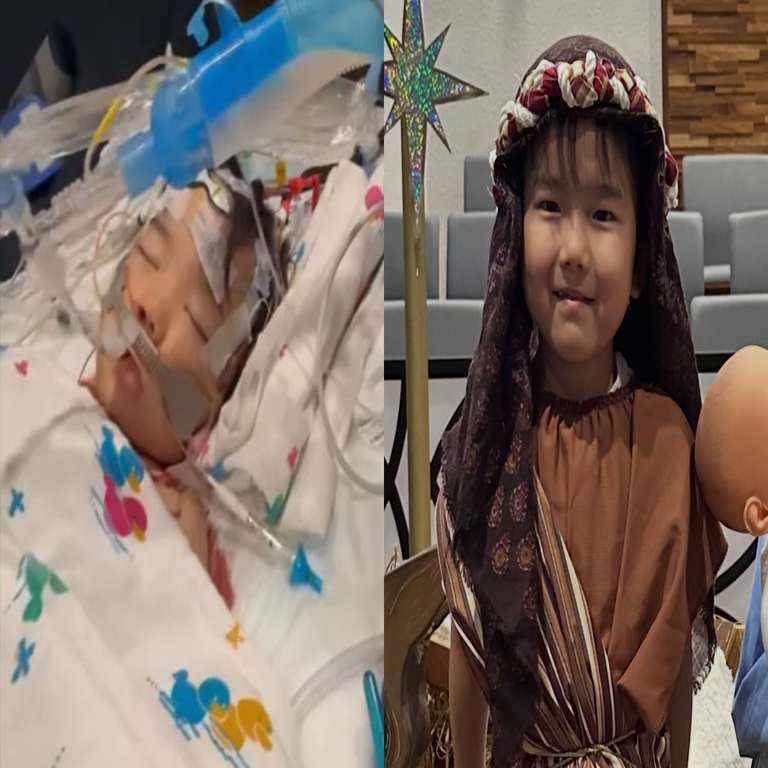
The Tragic Case of Micah Kim: A Public Health Reflection on Pediatric Flu Complications
हिंदी में सुनें
Listen to this article in Hindi
An analysis of the severe risks associated with influenza in children, focusing on the case of Micah Kim.
The recent passing of 5-year-old Micah Kim, son of renowned Catholic speaker Paul Kim, has brought to light the severe and often underappreciated risks associated with influenza, particularly in young children. Micah's case, which escalated from a severe flu infection to life-threatening complications, serves as an important case study for public health discussions around pediatric flu risks and the healthcare system's response to such emergencies.
The Severity of Influenza in Children Influenza is commonly perceived as a mild illness, especially among healthy children. That said, the reality is a bit more complicated. it can lead to severe complications, including pneumonia, dehydration, and in rare instances, neurological damage. The Centers for Disease Control and Prevention (CDC) emphasizes that children under the age of 5, particularly those with underlying health conditions, are at a heightened risk for severe influenza outcomes.
The Complexity of Pediatric Cases Micah's tragic experience highlights the complexities involved in treating pediatric patients with severe influenza. Medical professionals often face challenges in diagnosing and managing the disease, particularly when it escalates quickly. In Micah's situation, despite early intervention with emergency surgery stabilizing heart function, the rapid progression to severe brain damage underscores the unpredictable nature of influenza complications in young patients.
Public Awareness and Education The outpouring of support for Micah's family, with millions engaging in prayer and solidarity, illustrates the profound emotional impact of such a loss. That said, the reality is a bit more complicated. it also raises critical questions about public awareness of influenza's dangers. Many parents may not fully understand the potential severity of flu symptoms, believing they are benign. Enhanced educational efforts are necessary to inform families about recognizing severe symptoms and the importance of timely medical intervention.
System-Level Responses to Pediatric Health Emergencies The healthcare system must be equipped to respond effectively to pediatric health emergencies like Micah's. This includes ensuring access to rapid diagnostic tools, adequate pediatric care resources, and standardized protocols for managing severe flu cases in children. Policymakers should consider integrating more robust flu surveillance and response strategies into public health initiatives, particularly during flu season.
Addressing Gaps in Research Despite advancements in medical care, significant gaps remain in understanding the full spectrum of influenza's impact on pediatric populations. Continued research is necessary to identify risk factors for severe outcomes, develop targeted interventions, and improve treatment protocols. This case emphasizes the need for ongoing investigation into the nuances of how influenza affects children differently than adults.
Implications for Health Policy The tragic loss of Micah Kim highlights the urgent need for comprehensive influenza prevention and treatment policies. Policymakers must prioritize funding for pediatric health initiatives, including vaccination campaigns, educational programs, and research into severe flu cases. Ensuring that healthcare providers are equipped with the latest knowledge and resources will be vital in preventing similar tragedies in the future.
Conclusion: A Call for Action The story of Micah Kim serves as a poignant reminder of the vulnerabilities inherent in pediatric health and the critical role of public health awareness. As the new year begins, it is essential for communities, healthcare systems, and policymakers to reflect on this tragedy and take proactive measures to safeguard the health of children against influenza and other potentially severe illnesses. The legacy of young Micah's life and the prayers offered in his memory should galvanize a collective effort towards improving pediatric health outcomes and preventing future tragedies.
This analysis is intended to foster dialogue around the serious implications of influenza in children and the systemic changes required to protect vulnerable populations. While every case is unique, the lessons learned from Micah’s experience could inform better practices in pediatric care and public health initiatives moving forward.
Editor's note: This article was independently written by the Scoopliner Editorial Team using publicly available information.