Rebuilding Muscle After 50: A Public Health Imperative
हिंदी में सुनें
Listen to this article in Hindi
गति:
Explore the significance of muscle rebuilding after 50 and its implications for public health and healthcare systems.
As populations age, understanding the implications of muscle loss becomes increasingly crucial for public health. Sarcopenia, the age-related decline in muscle mass, is a significant concern as it contributes to frailty, reduced mobility, and increased dependency among older adults. This analysis explores the importance of rebuilding muscle after 50, particularly through standing exercises, and its broader implications for health policy and healthcare systems.
- The Aging Population and Muscle Loss**
- Global demographics indicate a significant increase in the proportion of older adults. By 2050, the number of people aged 60 or older is expected to double, reaching over 2 billion. This demographic shift raises critical public health challenges, particularly in relation to maintaining functional independence and quality of life for older adults. Sarcopenia, characterized by a gradual loss of muscle mass, strength, and function, affects nearly 30% of people over 60, making it a public health priority.
- Sarcopenia and Its Consequences**
- The effects of sarcopenia extend beyond mere muscle loss. It is associated with a higher risk of falls, fractures, and a decline in overall health status, leading to increased healthcare costs and greater burden on healthcare systems. The inability to perform daily activities can lead to social isolation, depression, and a reduced quality of life. Addressing muscle loss is therefore crucial not only for individual health outcomes but also for the sustainability of healthcare services.
- Understanding the Mechanisms of Muscle Loss**
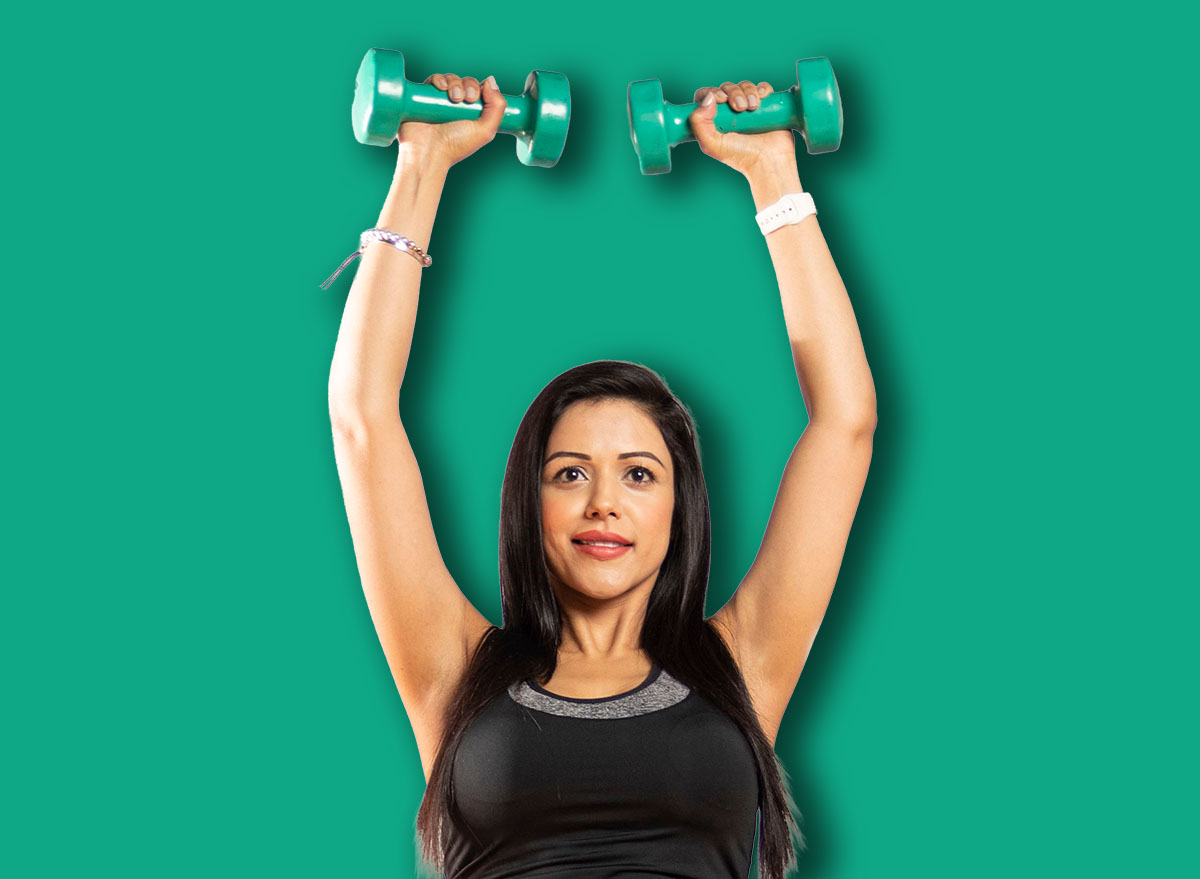
- Research indicates that aging is coupled with neuromuscular inefficiency, which impairs the body’s ability to engage multiple muscle groups effectively. Dr. Eugene Lipov highlights how standing exercises can counteract these effects by enhancing neural signaling and reducing joint compression. These exercises activate various muscle groups simultaneously, promoting better overall muscle function and potentially faster recovery compared to traditional weight training regimens.
- Public Awareness and Education**
- Raising awareness about the importance of muscle health in older adults is essential. Many may underestimate the impact of strength training or may not have access to appropriate resources. Public health campaigns can play a critical role in educating older adults about the benefits of engaging in regular physical activity, particularly exercises that are safe and effective for their age group.
- Policy Implications for Healthcare Systems**
- Healthcare systems must adapt to the growing needs of an aging population. Investing in preventive measures, such as community-based exercise programs and rehabilitation services, can alleviate the long-term costs associated with sarcopenia. Policies should encourage the integration of physical activity into routine healthcare practices, making resources available to older adults for strength training and muscle preservation.
- Limitations and Unknowns**
- While standing exercises present a promising avenue for combating muscle loss, further research is needed to establish guidelines tailored to specific populations. Individual differences in health status, mobility, and access to resources must be considered. Additionally, the long-term effects of these exercises on muscle health and overall well-being remain areas for further investigation.
- Conclusion**
- The need to rebuild muscle after 50 is not merely an individual concern; it has significant implications for public health and healthcare systems. By promoting awareness and implementing supportive policies, we can help mitigate the impacts of sarcopenia, improve the quality of life for older adults, and ultimately reduce the strain on healthcare resources. Strengthening the muscle health of our aging population is a vital step toward fostering a healthier, more independent society.
Editor’s note: This article was independently written by the Scoopliner Editorial Team using publicly available information.
Based on information from :
Eat This Not That
•
28 Dec 2025, 01:46 AM IST