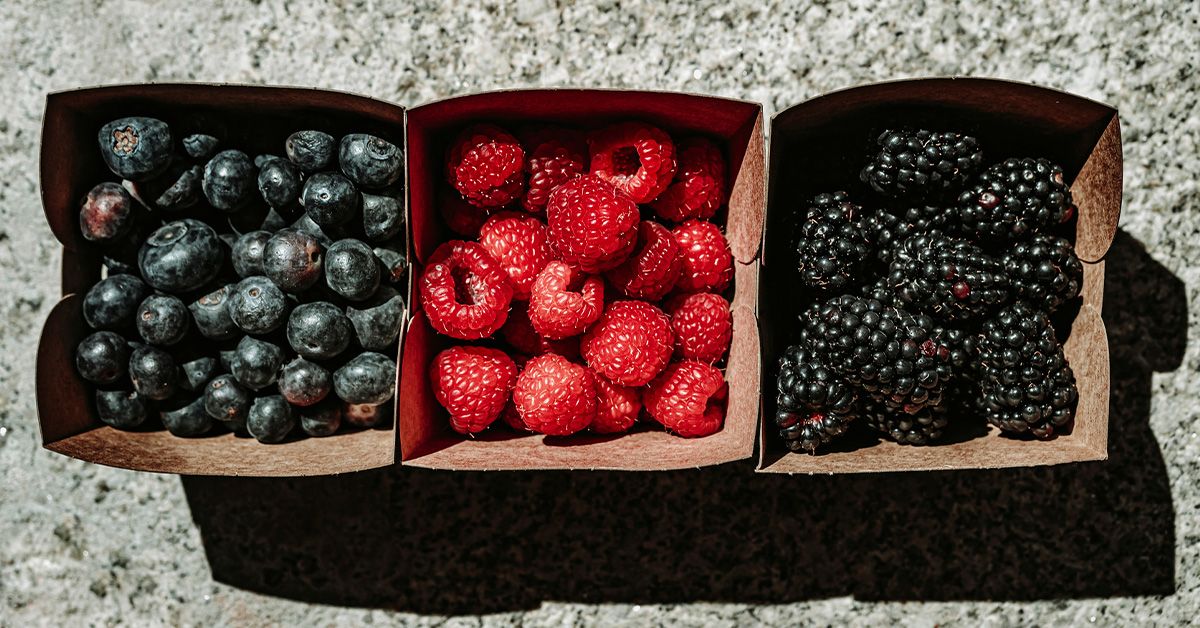
5 everyday foods may help keep the heart healthy
हिंदी में सुनें
Listen to this article in Hindi
New research suggests that eating polyphenol-rich foods such as berries, coffee, and olive oil may improve long-term heart health. Learn more.
A healthy heart relies on several factors, including diet. Research indicates that incorporating foods rich in specific nutrients can be beneficial for cardiovascular health. A recent study highlights that consuming foods high in polyphenols, such as berries, coffee, and olive oil, could contribute to improved heart health over the long term.
Beyond diet, physical activity, avoiding smoking, and stress management are also important for maintaining a healthy cardiovascular system. Prior studies have demonstrated the heart-health benefits of nutrients like fiber, omega-3 fatty acids, antioxidants, potassium, and magnesium.
Dr. Ana Rodriguez-Mateos, a professor of human nutrition at King’s College London and senior author of the new study published in BMC Medicine, stated that cardiovascular disease is a major global cause of death, and dietary choices are a key modifiable factor in protecting heart health. She emphasized that making healthier food choices is crucial for preventing heart disease.
The study followed over 3,100 adult participants from the TwinsUK cohort for more than a decade. These participants completed the EPIC-Norfolk Food Frequency Questionnaire. A subset of 200 participants provided urine samples, which scientists analyzed to determine their polyphenol exposure using a polyphenol-rich dietary score (PPS-D) and urinary metabolic signature (PPS-M). Participants' cardiovascular disease risk was also assessed using the atherosclerotic cardiovascular disease (ASCVD) risk score and HeartScore.
The study found that participants with higher levels of polyphenol metabolites in their urine had lower cardiovascular risk scores and higher levels of HDL "good" cholesterol. According to Rodriguez-Mateos, this suggests a link between higher polyphenol breakdown products and a more favorable cardiovascular profile.
While the observational nature of the study prevents definitive conclusions about causation, Rodriguez-Mateos noted that the patterns suggest a connection between diets rich in polyphenol-containing foods and better heart health. She also highlighted that measuring metabolites in urine provides a more objective measure of dietary intake compared to questionnaires alone.
Furthermore, the study indicated that a higher intake of polyphenol-containing foods was associated with a slower progression of heart disease risk over the 11-year follow-up, even though risk naturally increases with age. Rodriguez-Mateos explained that those who consumed more polyphenols or showed higher metabolite levels consistently had lower predicted cardiovascular risk, suggesting that diets richer in polyphenol-containing foods may help maintain a more favorable heart-health profile as people age. That said, the reality is a bit more complicated. she reiterated that causal conclusions cannot be drawn from this study.
Rodriguez-Mateos also pointed out that previous randomized controlled trials have shown that polyphenols can improve blood vessel function, lower blood pressure, and improve blood lipid profiles. She explained that polyphenols appear to work through various mechanisms, including increasing nitric oxide availability in blood vessels, which promotes relaxation and healthy circulation.
Future plans include a randomized controlled trial to investigate whether a diet rich in polyphenol-rich foods can directly improve markers of heart health. Rodriguez-Mateos also mentioned the development of new biomarker-based tools for more accurately measuring diet and understanding the relationship between these compounds and long-term health.
Dr. Cheng-Han Chen, an interventional cardiologist and medical director of the Structural Heart Program at MemorialCare Saddleback Medical Center, who was not involved in the study, commented that the results contribute to the understanding of polyphenols as natural compounds with anti-inflammatory and antioxidant properties that can improve blood vessel function and potentially benefit heart health. He also noted that cardiovascular disease is the leading cause of death in the United States and that research into the health effects of daily diet can help control known risk factors for heart disease.
Chen suggested that future research could explore whether some polyphenol-rich foods, such as tea, coffee, and certain nuts/berries, are more beneficial for heart health than others.
Monique Richard, a registered dietitian nutritionist and owner of Nutrition-In-Sight, recommends incorporating more plants into your diet to increase polyphenol intake. She suggests starting with small, consistent changes, such as adding berries to breakfast, spinach or peppers to egg dishes, beans to soups, and nuts or seeds to salads.
Richard also suggests choosing green or black tea over sweetened beverages, using herbs and spices like cinnamon, oregano, turmeric, or basil in cooking, and snacking on fruits like apples, grapes, oranges, pears, and pomegranates. She even suggests that a square of dark chocolate with a handful of nuts can be a beneficial treat.
Richard explained that the term "polyphenol" refers to the many protective compounds found in plants, acting as nature's defense molecules that benefit us when we consume them. She recommends consulting with a registered dietitian nutritionist to personalize dietary recommendations based on individual health goals and needs.

:max_bytes(150000):strip_icc()/What-Happens-to-Your-Blood-Sugar-When-You-Eat-Bananas-daf3e534cdb247c2bc9c3d1f396ece17.jpg)


:max_bytes(150000):strip_icc()/healthiest-sandwich-bread-GettyImages-183953960-1a3aeb41759042849186f11e6a279510.jpg)
:max_bytes(150000):strip_icc()/AR-Coca-cola-2x1yellow-bb178bdf660d425bb0af091a138a1cc0.jpg)