Understanding the Resurgence of Measles Cases in South Carolina
हिंदी में सुनें
Listen to this article in Hindi
गति:
A comprehensive analysis of the recent measles outbreak in South Carolina, its implications for public health, and the importance of vaccination.
The recent spike in measles cases in South Carolina, with an alarming total of 176 cases related to an Upstate outbreak, has raised significant concerns within public health circles. The South Carolina Department of Public Health (DPH) reported 20 new cases since Friday alone, highlighting the urgency of addressing this infectious disease. Understanding the implications of such outbreaks is crucial for community health and policy planning.
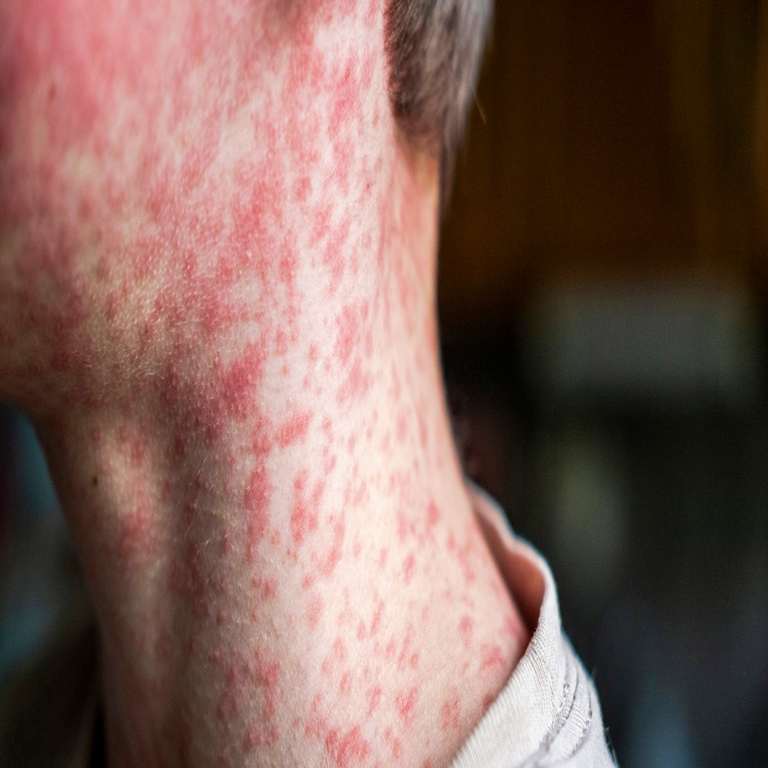
The Importance of Measles Vaccination The resurgence of measles serves as a stark reminder of the importance of vaccination in controlling infectious diseases. Measles is highly contagious, with a person being able to spread the virus from four days before the rash appears to four days after its onset. This means individuals may unknowingly transmit the virus before they are even aware they are infected, complicating containment efforts. The DPH has emphasized that vaccination remains the most effective preventive measure, yet vaccine hesitancy continues to be a challenge in many communities.
Current Outbreak Dynamics The outbreak has been characterized by a variety of exposure settings. Seven of the new cases resulted from known household exposures, while others stemmed from school and church environments. This highlights the interconnectedness of communities and the need for robust public health strategies that encompass multiple social settings. Additionally, the fact that four cases remain of unknown origin underscores the challenges public health officials face in tracking and containing outbreaks.
Quarantine and Isolation Measures As of now, 287 individuals are in quarantine, and two are in isolation due to complications from measles. Quarantine measures are essential to prevent further community spread, but they also come with social and economic implications. The DPH encourages workplaces to support employees during quarantine, reinforcing the role of employers in public health strategies. This approach can mitigate the impact on businesses while safeguarding public health.
Complications and Healthcare System Strain While complications from measles are not always reportable, the DPH has noted that three individuals required hospitalization due to the disease. Such cases can strain healthcare resources, particularly in a healthcare system that may already be stretched thin. Understanding the potential burden on healthcare facilities during outbreaks is vital for preparing and allocating resources effectively.
Implications for Policy and Community Engagement The current situation calls for heightened awareness and engagement from both policymakers and the public. It is essential to address vaccine hesitancy through education and outreach, promoting evidence-based information about the safety and efficacy of vaccines. Public health initiatives must also focus on building trust within communities to encourage vaccination uptake, particularly in light of recent outbreaks.
Limitations in Data and Reporting There are inherent limitations in the data reported by the DPH, particularly regarding the specifics of infections and complications. The lack of detailed information about each case hampers comprehensive analysis and response efforts. Future public health reporting may need to consider more granular data to enhance understanding and response efficacy.
Conclusion: The Need for Vigilance This ongoing measles outbreak in South Carolina serves as a crucial reminder of the challenges that infectious diseases pose to public health. It underscores the importance of vaccination in preventing disease spread and protecting vulnerable populations. As communities navigate this outbreak, continued vigilance, effective communication, and robust public health policies are essential to mitigate the impact and prevent future occurrences.
Summary The recent rise in measles cases in South Carolina highlights the ongoing challenges in managing infectious diseases and the vital role of vaccination in public health strategy. Community engagement and policy support will be critical in addressing vaccine hesitancy and ensuring public health safety.
Editor's note: This article was independently written by the Scoopliner Editorial Team using publicly available information.
Based on information from :
WYFF News 4
•
31 Dec 2025, 05:30 AM IST