Fractured Security Landscape: How Localized Violence in Israel-Palestine Impacts Regional Stability
हिंदी में सुनें
Listen to this article in Hindi
Escalating violence in Israel and Palestine threatens regional stability, impacting international security dynamics and diplomatic efforts. Analysis of the wider geopolitical context.
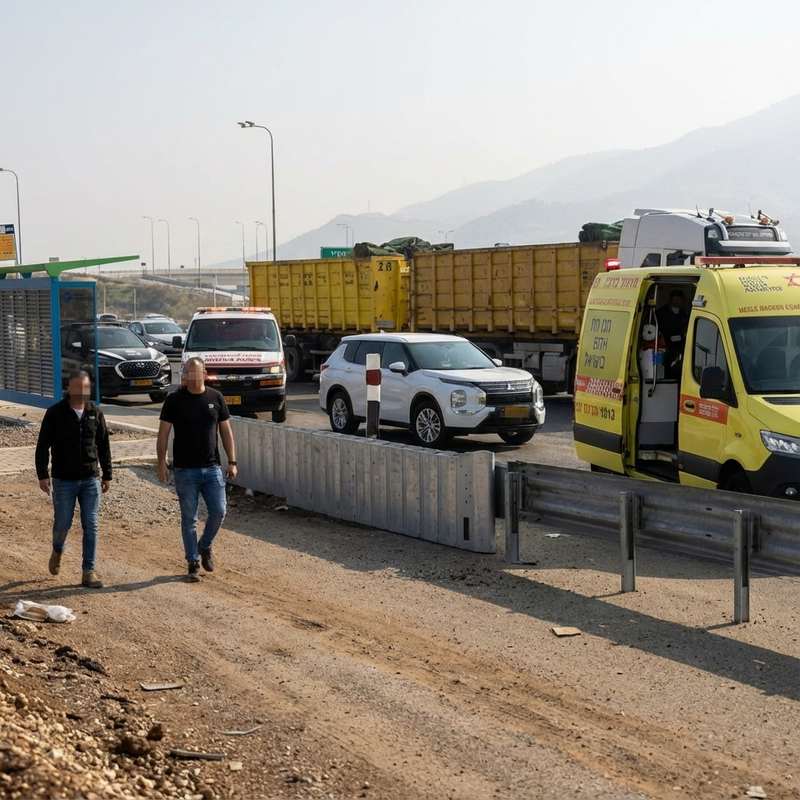
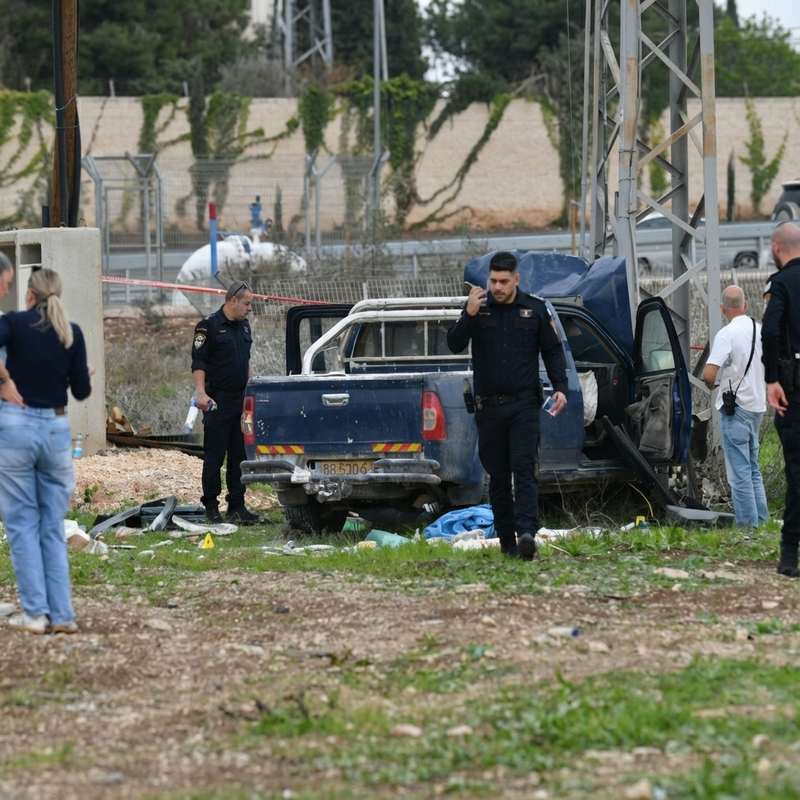
The ongoing Israeli-Palestinian conflict, characterized by cyclical escalations of violence, consistently undermines regional stability and complicates international diplomatic efforts. While localized incidents are often framed within the immediate context of Israeli-Palestinian relations, their repercussions extend far beyond the immediate geographical area, influencing broader geopolitical dynamics and security considerations. The recent car ramming and stabbing attack in northern Israel, attributed to an individual from the West Bank, exemplifies this trend, highlighting the fragility of the security landscape and the potential for localized events to trigger wider instability.
The underlying power dynamics in the region significantly contribute to the persistent cycle of violence. Israel's military occupation of the West Bank and its control over Palestinian movement and resources create a breeding ground for resentment and frustration. The expansion of Israeli settlements in the West Bank, deemed illegal under international law, further exacerbates tensions and undermines the prospects for a two-state solution. These factors contribute to a sense of hopelessness among some Palestinians, which can fuel acts of violence. The [world affairs background] of this conflict is rooted in decades of unresolved grievances and competing claims to land.
Furthermore, the rise of extremist groups and ideologies on both sides of the conflict adds another layer of complexity. Hamas, which controls the Gaza Strip, continues to advocate for armed resistance against Israel, while extremist elements within the Israeli settler movement promote violence against Palestinians. These groups exploit the existing tensions to further their own agendas, making it increasingly difficult to achieve a peaceful resolution. The international community's ability to mediate effectively is constrained by the deep-seated mistrust and animosity between the parties, as well as by the divergent interests and priorities of external actors.
The strategic implications of the ongoing violence are significant. Firstly, it diverts attention and resources from other pressing regional challenges, such as the fight against terrorism and the resolution of other conflicts. Secondly, it provides opportunities for external actors, such as Iran, to exploit the instability and advance their own interests. Iran's support for Hamas and other militant groups in the region further complicates the situation and undermines efforts to de-escalate tensions. The conflict also impacts [India’s global position] as it navigates its relationships with both Israel and Palestine, balancing its strategic interests with its historical support for the Palestinian cause.
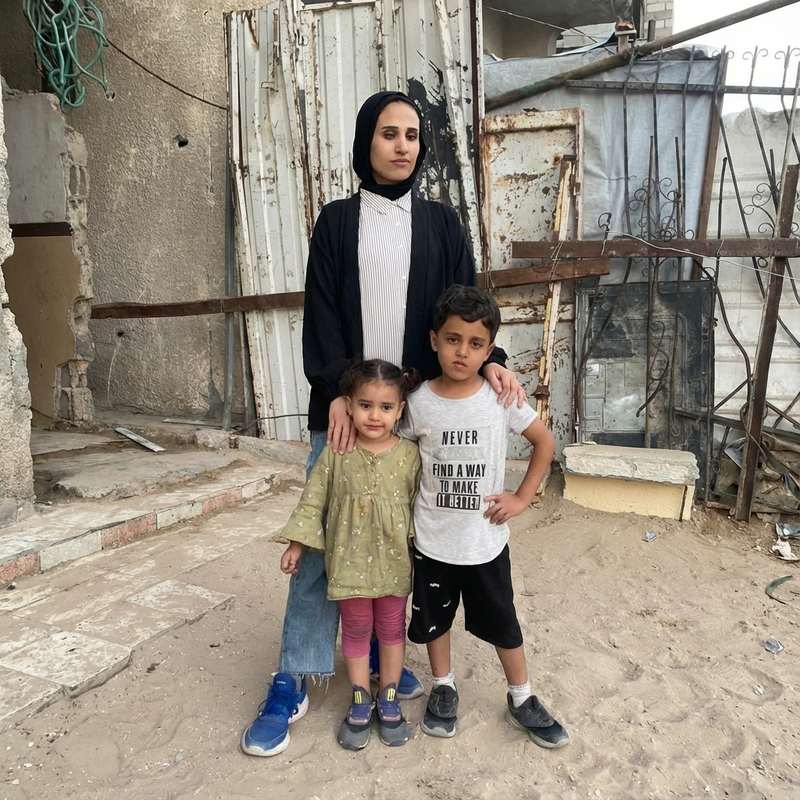
Moreover, the ongoing violence has a corrosive effect on the social fabric of both Israeli and Palestinian societies. It deepens the divisions between the two communities, fuels hatred and mistrust, and makes it more difficult for future generations to build bridges and find common ground. The psychological impact of the conflict on civilians, particularly children, is profound and long-lasting. The lack of progress towards a peaceful resolution contributes to a sense of despair and hopelessness, which can further exacerbate the cycle of violence.
Looking ahead, several uncertainties remain. The future of the Palestinian Authority, which is struggling to maintain control in the West Bank, is uncertain. The outcome of the Israeli elections could also have a significant impact on the direction of the conflict. The international community's ability to exert meaningful pressure on both sides to return to negotiations is also questionable. Addressing the root causes of the conflict, including the occupation, the settlements, and the lack of economic opportunities for Palestinians, is essential for achieving a lasting peace. Without a comprehensive and just resolution, the cycle of violence is likely to continue, with potentially devastating consequences for the region and beyond. Understanding the [topic basics for readers] can help make sense of this complex and multifaceted conflict.
So where does that leave things? localized incidents of violence in Israel-Palestine are not isolated events but rather symptoms of a deeper, more systemic problem. The ongoing conflict has far-reaching consequences for regional stability and international security. Addressing the root causes of the conflict and fostering a genuine commitment to peace on both sides are essential for breaking the cycle of violence and creating a more secure and prosperous future for the region.
Editor’s note: This article was independently written by the Scoopliner Editorial Team using publicly available information.